
Academic Area
Neuroscience
Understanding biological intelligence and cognition through the lens of computation.
Thinking About Thinking supports interdisciplinary inquiry into computational neuroscience and cognitive science, the mathematical study of how biological systems perceive, learn, remember, decide, and act.
This focus area brings together researchers and practitioners working across neuroscience, cognitive science, psychology, computational neuroscience, neuro-inspired AI, and related fields. We are interested in how intelligence emerges from biological systems, how cognition is shaped by structure and dynamics, and how insights from the brain inform theories of mind and artificial systems.
Rather than funding specific technologies, our role is to convene, connect, and clarify, creating shared intellectual space around some of the most complex questions in science.
How do brains represent information and generate behaviour?
What are the computational principles underlying perception, memory, and learning?
How do neural circuits give rise to cognition and consciousness?
What limits do biology impose on intelligence, and what can be abstracted?
How should findings from neuroscience inform artificial intelligence?
How can discoveries in AI take forward our understanding of neuroscience?

Core Questions We Explore
Recordings
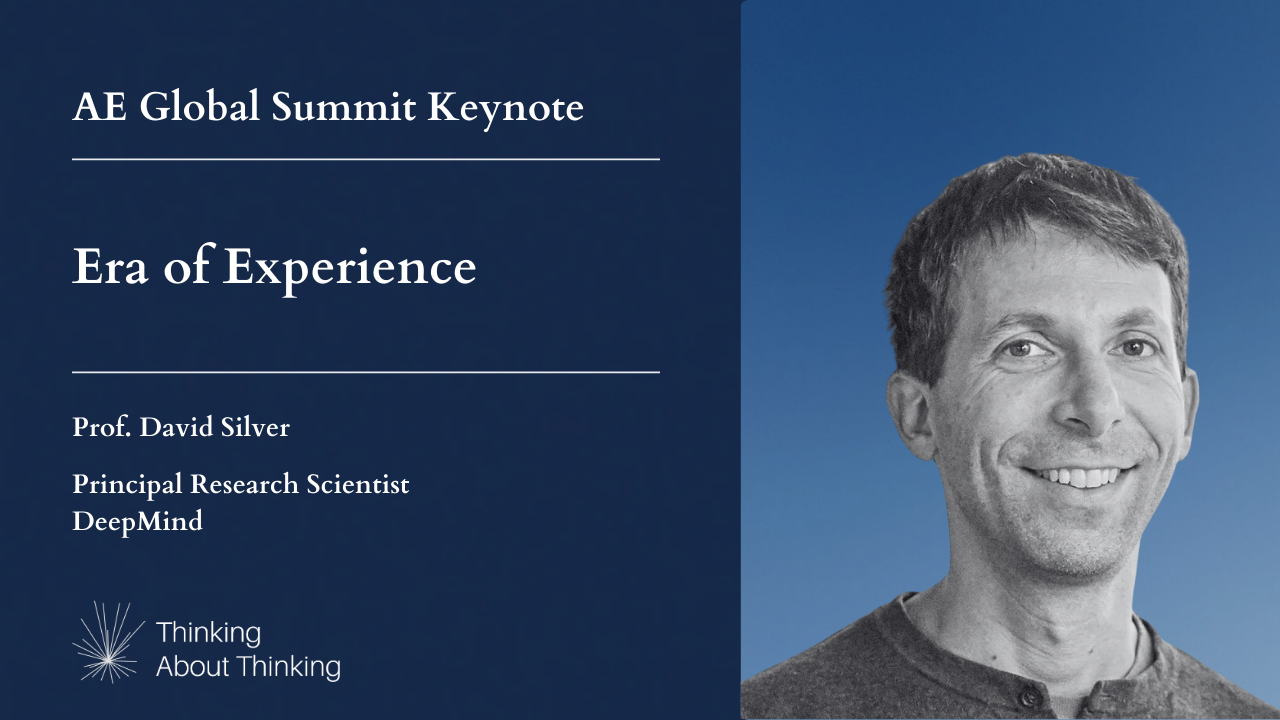
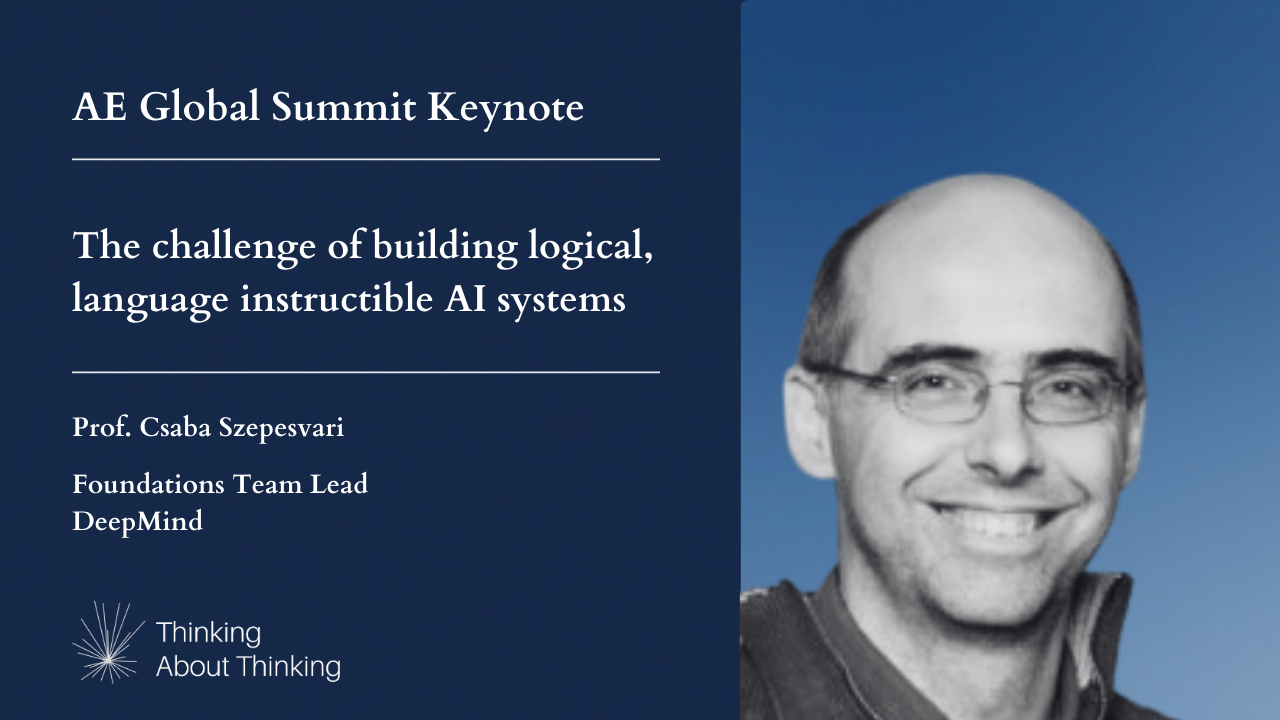
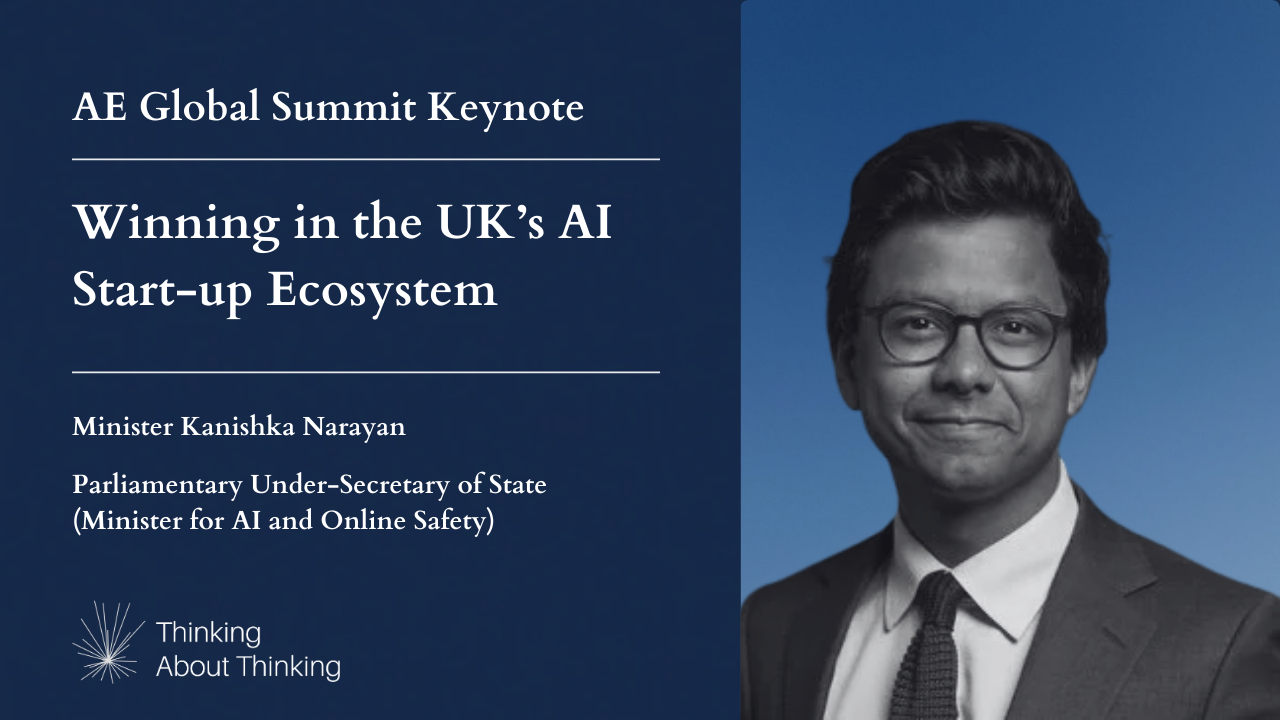
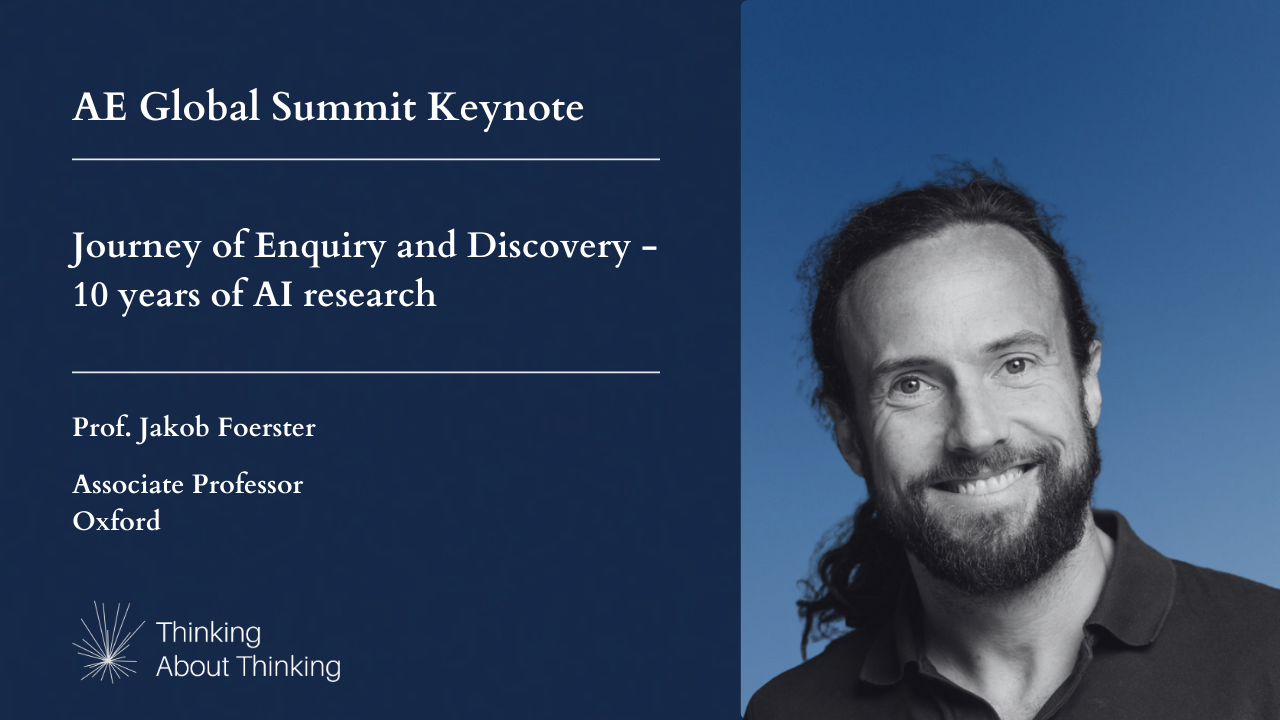
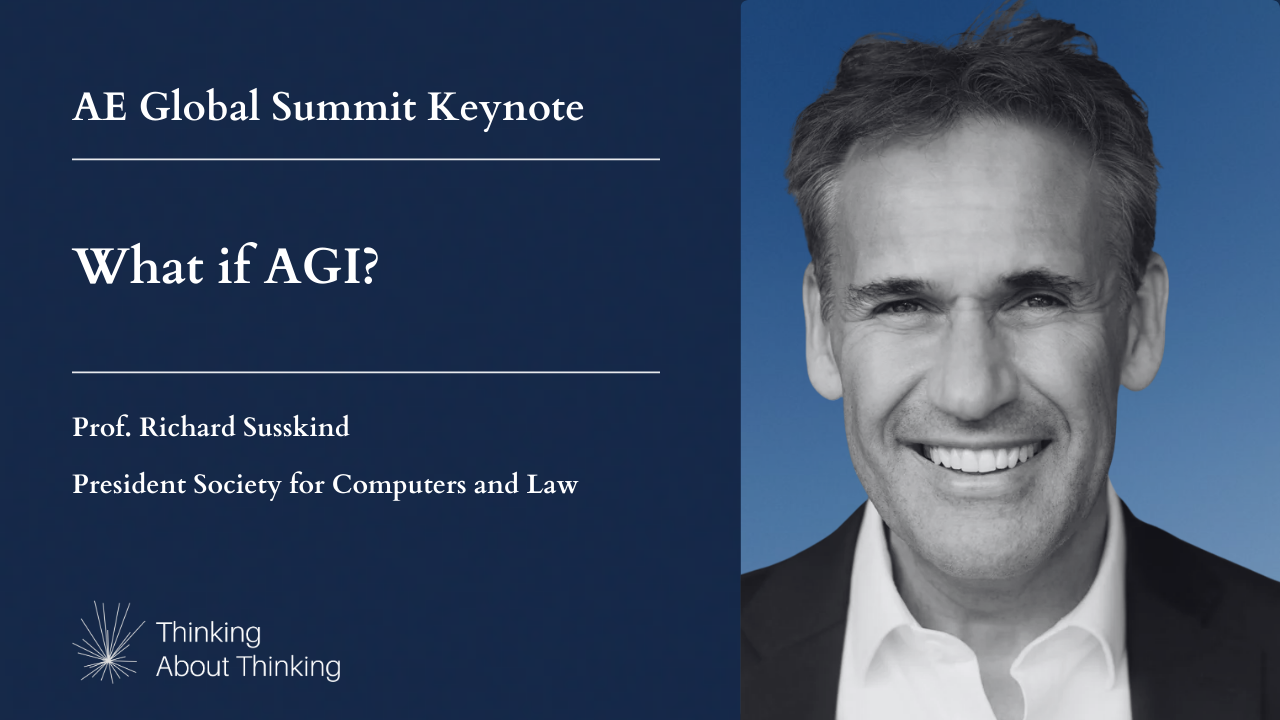
We publish recordings of talks, panels, and seminars to make serious thinking about artificial intelligence and machine learning accessible beyond the conference hall.



Events
Artificial intelligence and machine learning are core themes across our flagship events.
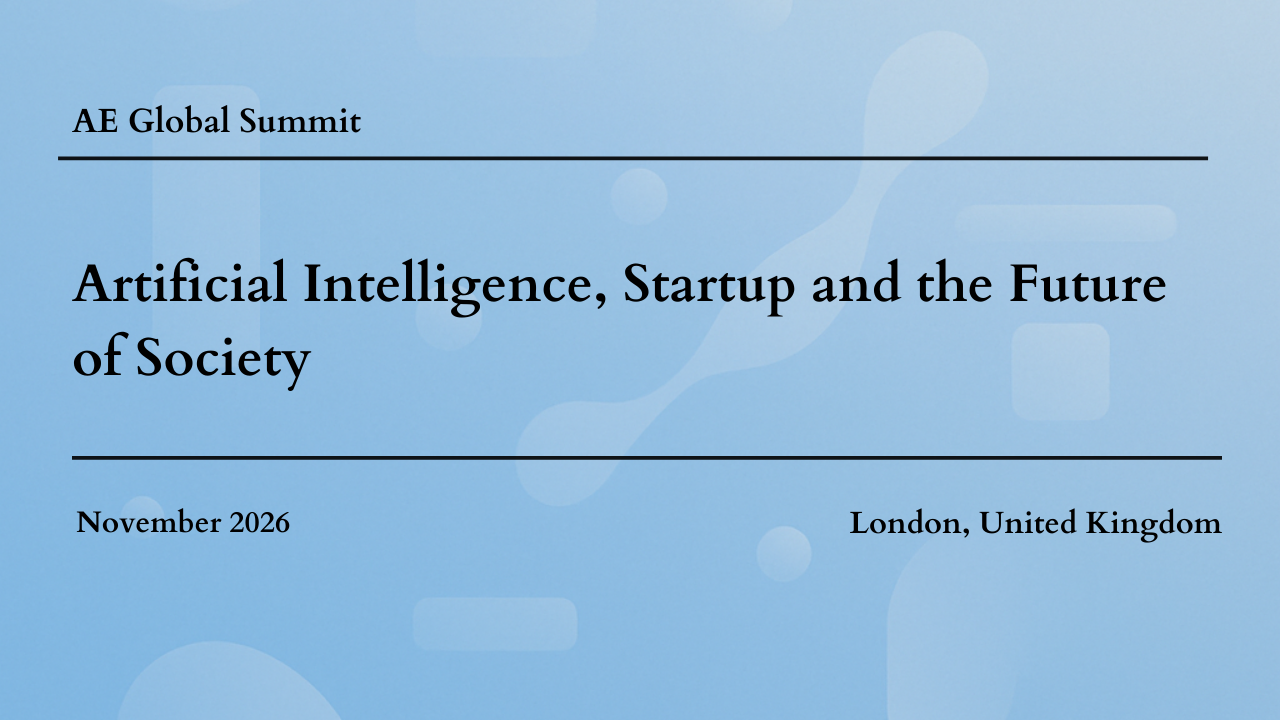
At our AE Global Summits, we convene researchers, builders, and policymakers to examine Open Problems in AI research, infrastructure, applications, and governance.
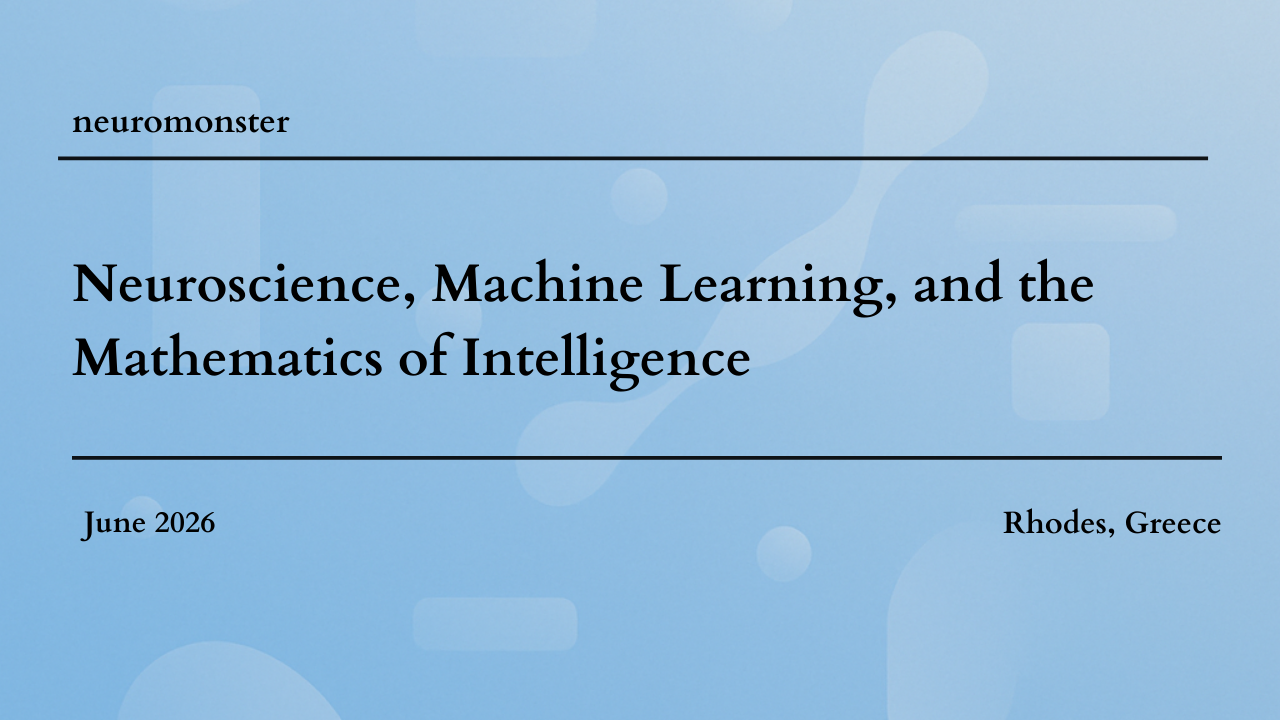
At our Conference on the Mathematics of Neuroscience and AI we explore the deeper mathematical and computational foundations of learning and intelligence, often in dialogue with neuroscience and cognitive science.
Ambassadors
Year 2025
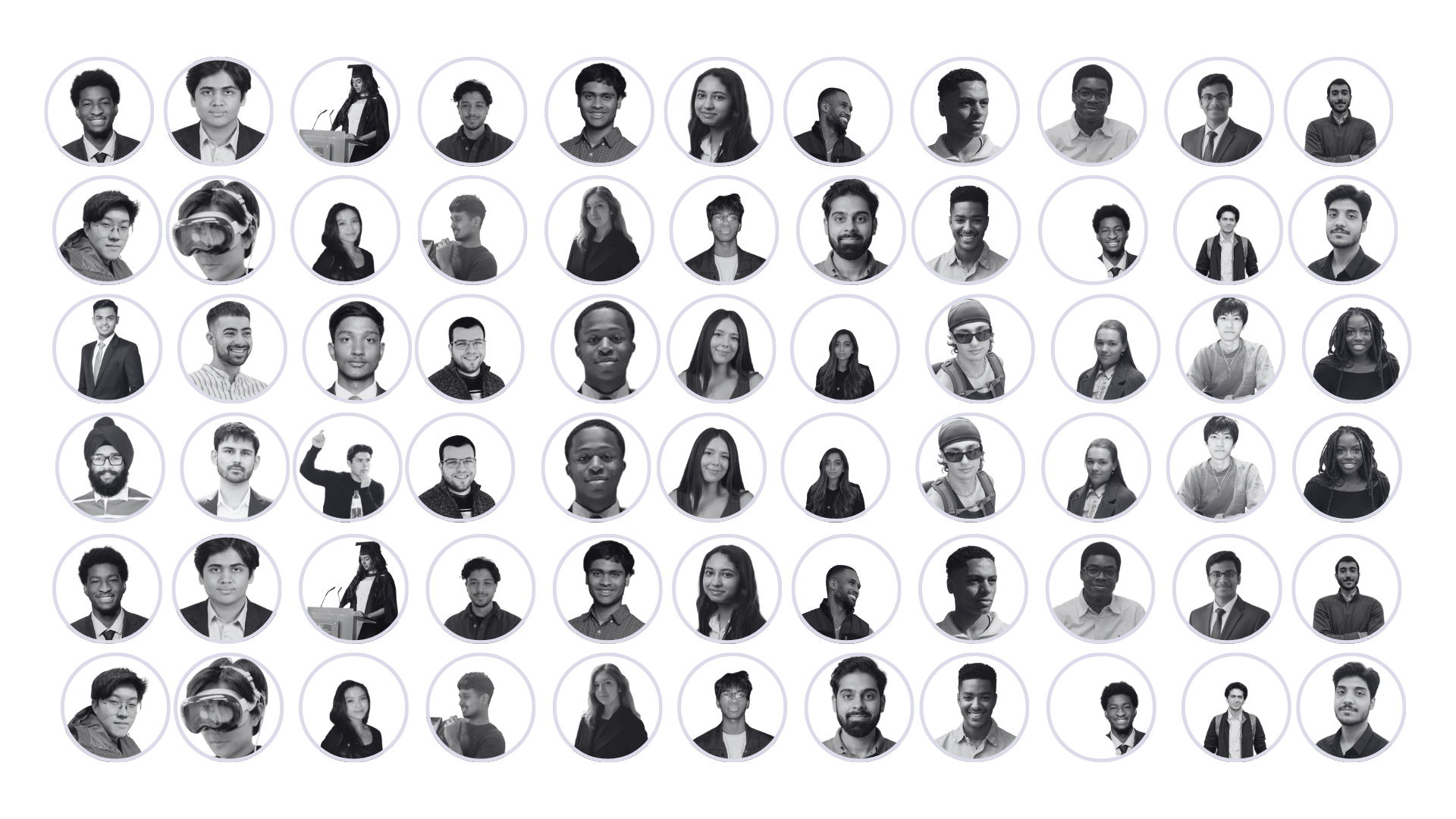
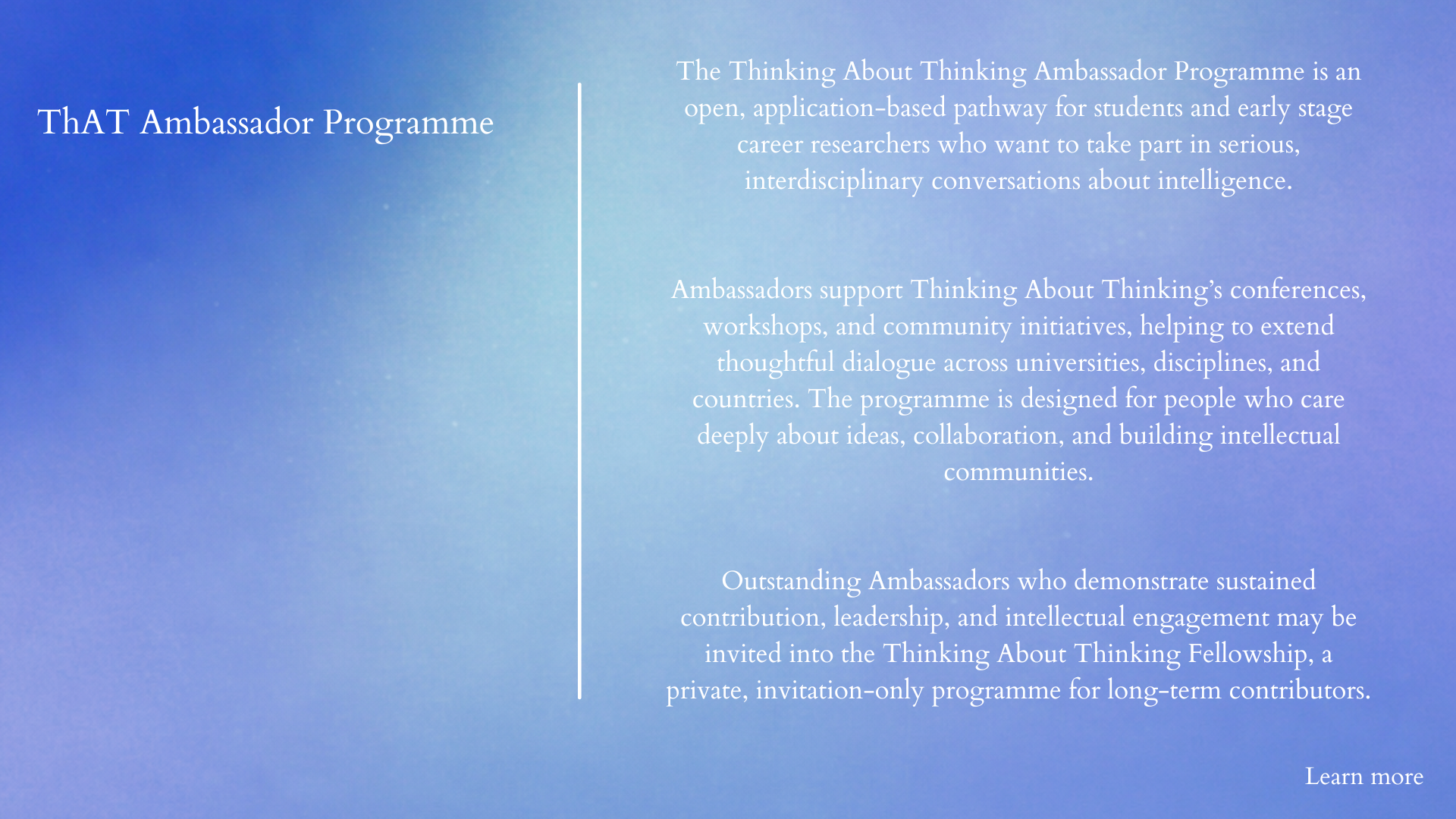
Ambassadors